Best Fibers for Summer Knitting, Made to Last
A handknit summer top should feel like a welcome layer when the evening cools, not a garment you pull off before leaving the porch. The best fibers for summer knitting are not simply the lightest ones. They are fibers that manage moisture, allow air to move, hold up to frequent wear, and suit the structure of the project in your hands.
For makers who care about materials, fiber choice also reaches beyond comfort. It shapes how a garment drapes, how it wears over years, how it is washed, and where its raw materials come from. Natural fibers offer distinct strengths for warm-weather knitting, but no single option is right for every tank, tee, market bag, or openwork shawl.
What Summer Yarn Needs to Do
Warm-weather garments work hardest when they are worn closest to the skin. A good summer yarn needs to help the body regulate temperature rather than trapping heat. Breathability matters, but moisture behavior matters too. A fiber may feel cool and airy when dry yet become heavy or slow to dry after a humid afternoon.
Drape is another consideration. Summer patterns often use simple silhouettes, stockinette fabric, lace, and open stitches. These designs benefit from yarn that falls gracefully rather than standing away from the body. At the same time, a yarn with too little memory can stretch longer with wear, especially at hems, necklines, and straps.
Swatching is particularly useful for plant fibers and blends. Wash and dry the swatch as you plan to care for the finished piece, then measure it again. Cotton, linen, hemp, and silk can change character after their first wash. A few careful inches of knitting can prevent a beautifully made garment from becoming unexpectedly oversized.
Linen: Cool, Strong, and Better With Wear
Linen is one of the finest choices for truly hot weather. Made from flax, it is breathable, strong, and naturally crisp. It absorbs moisture without immediately feeling clammy, which makes it especially appealing for sleeveless tops, loose tees, airy cardigans, and scarves meant for sun protection.
Fresh linen yarn can feel firm in the skein and a little demanding on the hands. That initial crispness is part of its nature, not a flaw. With washing and wear, linen softens substantially and develops a relaxed, lived-in hand that many makers prize. Its drape is excellent, particularly in fabrics with a little room to move.
The trade-off is elasticity. Linen does not bounce back like wool, so ribbing may loosen and fitted pieces require thoughtful construction. Choose linen for garments with positive ease, clean shapes, and uncomplicated stitch patterns. It also shines in blends, where another fiber can bring softness or resilience without losing linen’s cool hand.
Cotton: Familiar Comfort With a Few Caveats
Cotton is soft, breathable, washable, and easy to understand for new and experienced knitters alike. It is a natural fit for baby garments, dishcloths, lightweight pullovers, and everyday tees. Cotton’s smooth surface gives stitches clear definition, so cables, textured motifs, and colorwork can read beautifully.
Yet cotton is not automatically the coolest or easiest summer fiber. It readily absorbs moisture and can feel heavy when wet. It also has limited elasticity, which means a dense cotton sweater may stretch under its own weight. For this reason, cotton works best when the yarn is not overly heavy and the pattern avoids long, unsupported areas of ribbing.
A cotton blend often broadens its usefulness. Cotton paired with linen or hemp can improve airflow and reduce the dense, weighty feeling of a thick cotton fabric. A small amount of wool or alpaca can add recovery for cuffs and neckbands, though the percentage and garment style should still suit the climate where it will be worn.
Hemp: Hardworking Fiber With Natural Character
Hemp deserves a place in more summer knitting baskets. It is durable, breathable, and known for its ability to soften with use. Like linen, it brings a dry hand and an honest texture that suits relaxed garments, bags, and home textiles. Its strength makes it a practical option for pieces that will see regular use.
Hemp’s visual character is part of its appeal. It may carry subtle variation and a matte finish that give stockinette and simple stitches quiet depth. For a polished, fluid garment, a finer hemp blend may be preferable. For a sturdy market bag or an easy-wearing summer tunic, hemp’s firmness can be an asset.
Because hemp has little spring, construction matters. Use stable edges, avoid relying on ribbing for dramatic shaping, and let the fabric drape rather than forcing it into a close-fitting silhouette. Hemp combined with cotton, wool, or other complementary natural fibers can offer a more balanced knitting experience.
Wool and Alpaca in Summer: It Depends on the Yarn
Wool is often misunderstood as a cold-weather fiber only. In fact, wool’s crimp creates small air spaces that help regulate temperature, and it can manage moisture vapor effectively. A fine, lightweight wool yarn can be comfortable in changing conditions, especially for high-desert evenings, coastal weather, travel layers, and openwork accessories.
For summer, look to fine-gauge fabrics rather than bulky yarns. A wool tee knit at a loose but stable gauge may feel surprisingly comfortable, while a dense worsted-weight sweater likely will not. Wool also brings an advantage plant fibers lack: elasticity. It helps garments retain their shape and makes ribbing, fitted shoulders, and set-in sleeves more dependable.
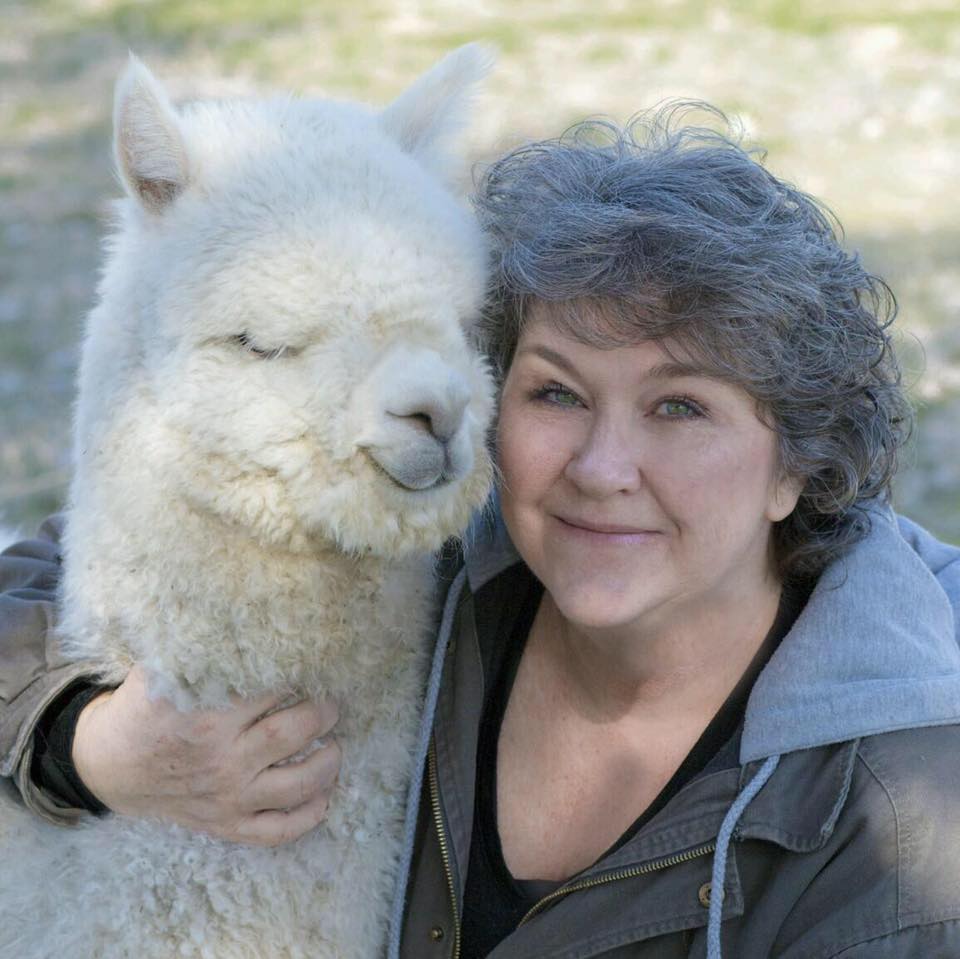
Alpaca offers exceptional softness and drape, but it is generally warmer and has less memory than wool. In a light blend, it can lend a luxurious hand to a shawl or evening layer. In a high percentage, it may be too insulating for humid summer days and can grow with wear. Consider alpaca for the conditions you actually live in, not merely the calendar season.
At Imperial Yarn, American-grown wool and thoughtfully chosen natural-fiber blends reflect a simple belief: a yarn’s performance is inseparable from its origin, handling, and construction. Fiber raised with care and processed with respect retains the character that makers feel in every stitch.
Best Fibers for Summer Knitting by Project
The best fibers for summer knitting become easier to choose once the project has a job to do. For a sleeveless top worn in heat, linen or a linen-rich blend brings cooling comfort and drape. For a structured tee with textured stitches, cotton or a cotton-linen blend can offer clean definition without excessive bulk.
For an open cardigan meant for air-conditioned rooms and cool evenings, fine wool, a wool-linen blend, or a restrained alpaca blend can provide light warmth without the feeling of a winter layer. For shawls, scarves, and wraps, prioritize drape and the climate. Linen, silk-like plant-fiber blends, fine wool, and airy alpaca blends each create a different result.
Summer accessories call for equally specific choices. Hemp and cotton are sensible for bags and durable household knits. Fine wool remains an excellent choice for socks, even in warmer months, because it handles moisture and holds its shape more effectively than many plant fibers. A breathable sock is not necessarily a cotton sock.
Let Gauge and Fabric Do Their Part
A summer yarn can still produce a hot garment if it is knit too densely. Gauge affects airflow, weight, drape, and the way a fiber feels against the skin. Before committing to a pattern, consider whether its fabric leaves room for air to circulate. Lace, eyelets, relaxed stockinette, and open textures can make a meaningful difference.
That does not mean every warm-weather project should be loose and sheer. A firmer gauge may be right for a bag, a polished tank, or a garment where opacity matters. The goal is balance: enough structure for the piece to wear well, enough openness for the fiber to do what it does best.
Color deserves consideration as well. Pale shades reflect more heat in direct sun, while deeply saturated colors can feel warmer outdoors. Natural undyed shades and heathered colors often pair beautifully with the texture of linen, hemp, wool, and cotton, letting the fiber itself remain part of the design.
Choose the yarn with the finished garment in mind: where it will be worn, how it should move, and how you want it to feel after a full season of use. A well-chosen natural fiber does more than make summer knitting possible. It gives your work a reason to be reached for, washed, mended, and worn again.