Best Natural Yarns for Sensitive Skin
That familiar itch at the back of the neck or along the wrists can ruin an otherwise beautiful handmade piece. When you are choosing the best natural yarns for sensitive skin, fiber type matters, but so do breed, micron count, yarn construction, and how the fiber was processed. Softness is not one thing. It is a combination of fine fibers, thoughtful finishing, and the right match between material and project.
For makers who care about provenance as much as comfort, this is where natural fibers earn their place. Well-sourced wool, alpaca, cotton, and select plant blends can feel remarkably gentle against the skin without relying on synthetic performance or heavy chemical finishing. The key is knowing which natural yarns tend to soothe and which ones are better reserved for outer layers, textured accessories, or hard-wearing pieces.
What makes a yarn comfortable for sensitive skin?
People often blame wool as a category, but the real story is more precise. Skin sensitivity is usually triggered by coarse fibers that poke the skin, residual processing chemicals, trapped heat, or friction from a yarn that is too dry or hairy for the project. A soft fiber can still feel wrong if it is spun tightly into a dense yarn, and a breathable yarn can still irritate if it has too much prickle.
Fiber diameter plays a major role. Finer fibers tend to bend more easily against the skin rather than standing up and scratching. Processing matters too. Fibers handled with fewer harsh chemicals and less extreme treatment often retain a more natural hand. That can be especially important for people who are sensitive not only to texture but also to finishing agents left behind in fabric or yarn.
There is also the question of where the yarn will be worn. A yarn that feels lovely in a shawl may still be too warm for a fitted hat. A wool that works well in mittens may not be the right choice for a baby blanket. Sensitive skin is personal, and the best yarn is usually the one that suits both the fiber and the use.
Best natural yarns for sensitive skin by fiber type
Alpaca
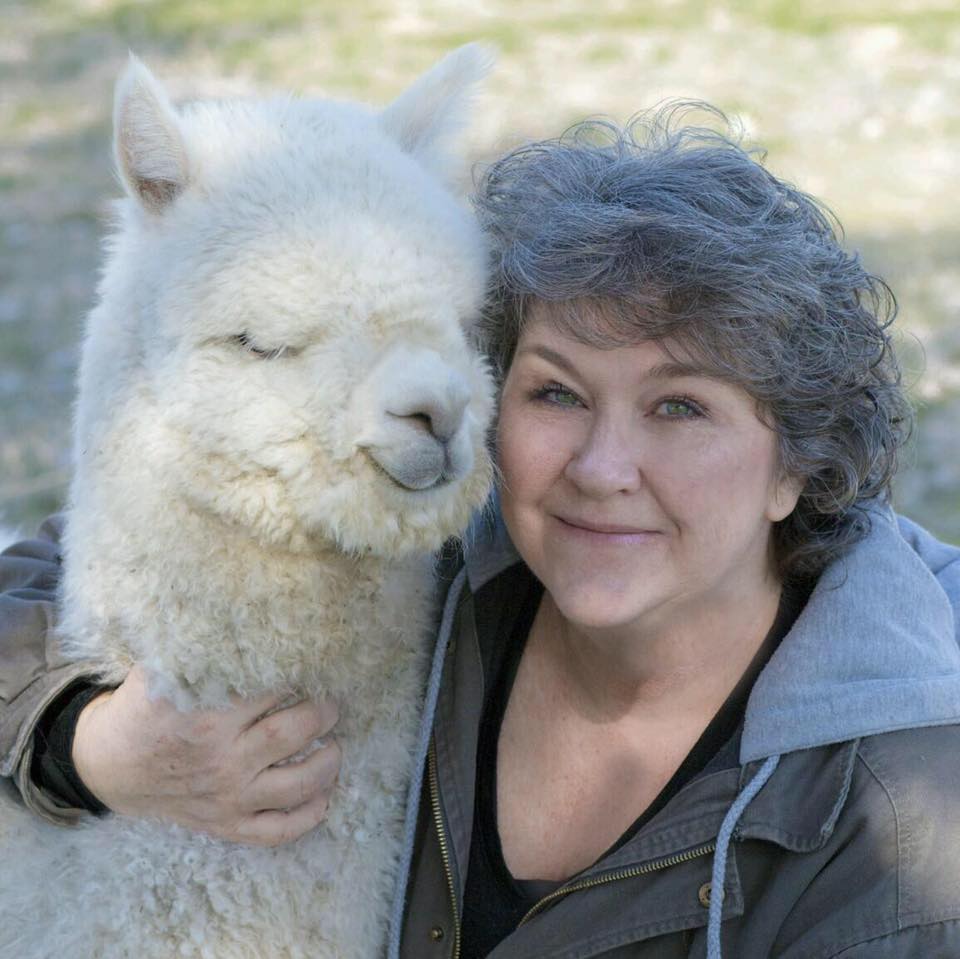
Alpaca is often the first natural fiber people try when standard wool feels too sharp. It is known for a smooth hand, gentle drape, and warmth without the same springy feel you get from sheep’s wool. Many people with texture sensitivity find alpaca more wearable around the neck and face, especially in finer grades.
The trade-off is structure. Alpaca has less natural elasticity than wool, so garments can stretch if the yarn choice and pattern are not balanced well. It also tends to run warm. For cowls, scarves, wraps, and relaxed sweaters, that warmth can feel luxurious. For fitted socks or heavily structured garments, it may not be the best tool for the job.
Fine merino wool
If you have written off wool entirely, fine merino may change your mind. Merino from fine micron ranges can feel soft enough for next-to-skin wear, especially in yarns that are spun with care and not overprocessed. It offers elasticity, resilience, and breathable warmth, which is why it remains a favorite for garments that need both comfort and shape retention.
That said, not every merino yarn feels the same. Superwash treatments can make some merino feel slicker and easier to care for, but they also change the fiber. Non-superwash merino often has a more natural hand and can align better with buyers seeking low-impact processing, though it may require gentler laundering. For sensitive skin, softness is only half the equation. The finish matters too.
Targhee and Rambouillet wool
Beyond merino, there are American wool breeds that deserve more attention from sensitive-skin shoppers. Targhee and Rambouillet can offer an impressively soft hand while still preserving the character and integrity of wool. They often bring more body than alpaca and a more grounded, breathable feel than highly treated yarns.
For makers who want natural performance with less prickle, these breeds are worth seeking out. Much depends on preparation and spin, but in the right yarn they can produce sweaters, hats, blankets, and accessories that feel comfortable without losing the honest texture of real wool.
Cotton
Cotton is a straightforward choice for many people with sensitive skin because it is plant-based, breathable, and familiar. It does not have the halo or loft of animal fibers, so there is less chance of stray fibers creating itch. It is especially useful for warm-weather garments, baby items, dishcloths, and pieces meant for direct contact with the skin.
Its limitations are just as real. Cotton can feel heavier, less elastic, and slower to spring back after wear. It may also hold moisture more readily than wool. For soft tees, baby blankets, and light accessories, cotton is dependable. For projects that need recovery and insulation, it may feel flat or tiring in the hands compared with wool.
Hemp and hemp blends
Hemp is not usually the first answer for softness, but in the right blend it can be excellent for sensitive skin. Blended with cotton, wool, or alpaca, hemp brings durability, breathability, and a dry, clean hand that softens with use. It is especially appealing for makers who want natural strength without synthetic reinforcement.
On its own, hemp can feel crisp at first. That means it is often better in garments and home goods that will benefit from wash-and-wear softening over time. If your skin reacts more to heat and moisture than to texture, a breathable hemp blend may be more comfortable than a warmer, fuzzier yarn.
Silk blends
Silk blended into wool, alpaca, or plant fibers can improve softness and reduce friction against the skin. It adds a smooth surface and often a subtle luster. In small percentages, silk can make a good yarn feel more refined and more suitable for neckwear or lightweight garments.
The caution here is durability in high-friction uses. Silk blends are often beautiful, but not always the best choice for socks, rugged outerwear, or projects that need firm memory. They shine in shawls, lightweight tops, and special garments where touch matters most.
Fibers that depend on the person
Mohair and some longwools can be wonderfully soft to one maker and irritating to another. The issue is often halo rather than roughness. That airy cloud around the yarn can tickle the skin, especially around the neck or face. If you love the look of mohair but have sensitive skin, it is often better used held with a smoother yarn or in accessories that do not sit tightly against the body.
Similarly, rustic wool is not inherently bad for sensitive skin. Some people tolerate a springy, minimally processed wool very well, especially in outer garments or layered pieces. Others need a truly fine fiber for any direct contact. There is no virtue in forcing a fiber to work if your skin disagrees.
How to choose the best natural yarns for sensitive skin
Start with the project, not just the fiber name. Ask whether the yarn will sit at the neck, cuffs, waist, or forehead, where skin tends to be more reactive. Then consider warmth, drape, and stretch. A soft alpaca may be perfect for a cowl but frustrating in a cardigan that needs recovery. A breathable cotton may be ideal for a baby blanket but too heavy for a lace wrap.
Next, pay attention to how the yarn was made. Yarns produced with careful scouring and lower-impact processing often preserve fiber quality better than yarns pushed through aggressive treatment. Traceable sourcing also helps. When you know the breed, region, and standards behind a yarn, you have a better sense of what you are actually touching.
Finally, trust the hand and the swatch. Sensitive skin can be specific. Hold the yarn to the inside of your wrist or neck. Knit or crochet a small sample and wear it for a while. Softness in the skein is not always softness in the finished fabric.
A better standard for comfort
The most comfortable yarn is not always the softest one on paper. It is the one that respects both the fiber and the person wearing it. For many makers, that means fine alpaca, merino, Targhee, Rambouillet, soft cotton, or a well-balanced hemp blend. For others, it means looking beyond marketing words like soft and paying closer attention to breed, processing, and purpose.
That is where conscientious American fiber systems stand apart. When yarn is made with transparency, animal welfare, and natural fiber integrity in mind, comfort becomes more than a finish applied at the end. It begins at the source. Imperial Yarn has long believed that better yarn starts with better stewardship, and sensitive skin is one more reason that approach matters.
If your skin has been telling you no, it may not be rejecting natural fiber at all. It may simply be asking for a better one.