A Guide to American Made Natural Fibers
When a skein feels right in the hand, there is usually a bigger story behind it. This guide to american made natural fibers begins there – with the fiber itself, where it was raised or grown, how it was processed, and whether that chain of care stayed intact from ranch or field to finished textile.
For makers and mindful buyers, that story matters. American-made natural fibers offer something hard to fake: traceability, regional character, and a closer relationship between land, animal, mill, and finished product. They also ask a little more of us. You may pay more than you would for imported commodity fibers, and the selection can be more seasonal or specific. What you get in return is substance – materials with known origins, honest performance, and a connection to American craft that shows up in every stitch.
What american made natural fibers really mean
The phrase gets used broadly, so it helps to be precise. In the strongest sense, american made natural fibers are fibers that are grown or raised in the United States and processed domestically into yarn, fabric, or finished goods. That can include wool from American sheep, alpaca raised on U.S. farms, cotton grown in domestic fields, and plant fibers like hemp that are cultivated and transformed here.
There is some nuance, though. A product may be spun or finished in the United States but rely on imported raw fiber. That does not automatically make it low quality, but it is different from a fully domestic supply chain. If provenance matters to you, look for brands that explain both where the fiber originates and where each processing step happens.
This is where transparency separates marketing from stewardship. The more clearly a company can speak about ranches, flocks, farms, mills, and finishing methods, the easier it is to understand what you are actually buying.
Why domestic fiber sourcing matters
American production is not just a patriotic label. It changes the quality conversation.
First, domestic sourcing shortens the chain of custody. Shorter supply chains can mean better accountability for animal welfare, land management, and processing standards. If a brand knows its ranch partners and mills, it can make choices that protect fiber integrity rather than pushing for the lowest possible price.
Second, American-made systems help preserve regional textile knowledge. Wool scoured with care, alpaca sorted for softness, cotton milled for durability, and yarn spun for a maker’s intended gauge all reflect skill that does not happen by accident. Supporting domestic fibers supports those mills, processors, and craftspeople too.
Third, there is an environmental argument, but it deserves honesty. Local or domestic does not automatically mean low impact. Farming methods, animal care, water use, dyes, and finishing all matter. Still, when brands prioritize responsible grazing, climate-aware land stewardship, and processing methods that avoid harsh chemical shortcuts, american made natural fibers can represent a more thoughtful textile system overall.
A practical guide to american made natural fibers by type
Not every fiber behaves the same way, and that is part of the appeal. Choosing well starts with understanding what each one does best.
Wool
Wool is the backbone of American natural fiber production, and for good reason. It is resilient, breathable, insulating, and naturally elastic. Good wool can hold structure in sweaters, bounce back in socks, and provide warmth without trapping moisture the way synthetics often do.
But wool is not one thing. Fine merino feels very different from a sturdy range wool, and both have a place. Merino is often favored for softness against the skin, especially in accessories and base layers. More durable or slightly coarser wools excel in outerwear, blankets, rugs, and heirloom knitting where longevity matters as much as softness.
Processing makes a difference too. Wool handled with lower-impact methods and without overly aggressive treatment often retains more of its natural character. That can mean loft, spring, and better temperature regulation. It may also mean a feel that is more honest and less overly processed. For many makers, that is a feature, not a flaw.
Alpaca
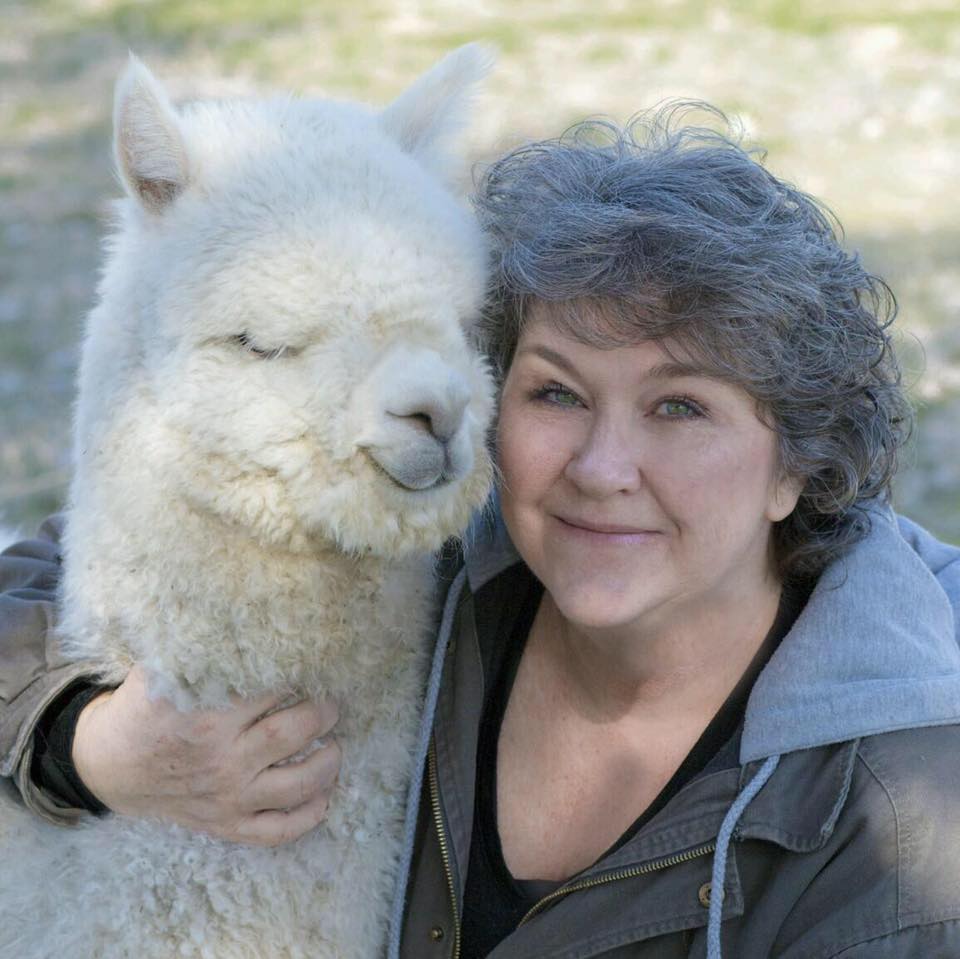
American alpaca brings softness, warmth, and drape. It is often warmer by weight than wool and has a smooth hand that many sensitive wearers appreciate. In garments like scarves, hats, wraps, and lightweight sweaters, alpaca can feel luxurious without becoming flashy.
The trade-off is structure. Alpaca has less elasticity than wool, so a pure alpaca yarn may grow or relax more over time. That is why alpaca is often blended with wool or merino in yarns intended for garments that need memory and shape retention. If you want fluidity and softness, alpaca shines. If you want stitch definition with spring, a blend may serve you better.
Cotton
American-grown cotton remains an essential natural fiber, especially for warm-weather garments, dish towels, baby items, and household textiles. It is breathable, washable, and familiar, but quality can vary widely depending on staple length, spinning, and finishing.
Cotton has less elasticity than wool, so it behaves differently in knitting and crochet. It can feel denser in the hand and may not forgive uneven tension as easily. Still, for projects that call for crisp definition, absorbency, and cool comfort, cotton earns its place.
If sustainability is part of your buying decision, do not stop at the word cotton. Ask how it was grown, processed, and dyed. Those details matter more than the fiber name alone.
Hemp
Hemp is one of the most interesting fibers in the American maker space because it combines durability with a lower-input agricultural profile in many systems. It is strong, breathable, and often softens beautifully with use.
On its own, hemp can feel crisp or dry at first, which surprises people expecting immediate softness. In blends, especially with cotton or wool, it adds strength and texture while keeping the hand more approachable. For weaving, summer garments, market bags, and hard-wearing textiles, hemp deserves a closer look.
Mohair and specialty blends
Mohair adds luster, halo, and warmth. Used thoughtfully, it creates depth in yarns and fabrics that flatter simple stitches and elevate layered garments. It is not always the right choice for next-to-skin comfort, especially for people sensitive to texture, but in the right project it offers beauty that few other fibers can match.
Specialty blends are where American mills and fiber brands often show their creativity. Wool-alpaca, merino-hemp, or cotton-wool combinations can balance softness, strength, drape, and stitch memory in ways that a single fiber cannot. The best blend is not the most expensive one. It is the one matched to the way you plan to wear, wash, or make with it.
How to evaluate fiber quality beyond the label
A good label tells you fiber content. A trustworthy brand tells you more.
Look for origin details first. Was the fiber raised or grown in the United States? Was it spun domestically? Was it knit, woven, or sewn here as well? Then consider processing. Fibers treated gently tend to keep more of their natural performance, while heavily processed fibers can lose some of the qualities that made them appealing in the first place.
Animal welfare and land stewardship matter, especially for wool, alpaca, and mohair. Responsible systems value healthy animals, sound grazing practices, and a long view of the land. Certifications can help, but clear brand language matters too. A company that can explain its standards plainly is usually more reliable than one that leans on vague claims.
Finally, match the fiber to the job. A soft alpaca blend may be perfect for a cowl but disappointing in a hard-wearing sock. A sturdy wool may bloom beautifully in colorwork but feel too rustic for a fitted tee. Quality is not just about softness. It is about fitness for purpose.
Choosing american made natural fibers for making and living
If you knit, crochet, weave, or sew, start with the project in front of you. Ask whether you need elasticity, drape, softness, abrasion resistance, or washability. Then narrow your choices by sourcing values. If domestic production, traceable fiber origins, and environmentally responsible processing are priorities, let those guide the final decision.
If you are buying finished goods rather than making them, the same logic applies. Socks need resilience. Blankets need warmth and hand feel. Apparel needs comfort and shape retention. Home textiles need durability. A fiber that performs beautifully in one category may be less suitable in another.
This is one reason many makers and shoppers return to brands like Imperial Yarn. The value is not just in the finished yarn or garment. It is in the clarity around what the fiber is, where it came from, and why it was constructed the way it was.
American-made natural fibers ask us to slow down enough to care what something is made of. That is not nostalgia. It is practical wisdom. When you choose fibers with known origins and honest performance, you are not just buying material. You are choosing a better starting point for whatever you plan to make, wear, or keep close at home.