A Guide to Natural Dye Bases for Fiber Makers
A natural dye project begins long before plant material reaches the dye pot. The yarn or cloth beneath the color determines how readily it absorbs dye, how evenly it takes color, and how the finished piece feels in the hand. This guide to natural dye bases is designed to help makers choose a fiber with intention, whether you are planning a soft tonal skein, a deeply saturated warp, or a naturally colored garment meant to be used for years.
A dye base is simply an undyed fiber, yarn, or fabric prepared to receive color. But there is nothing simple about its role. Fiber content, yarn construction, mill preparation, and even the natural shade of the base all shape the result. Choosing well gives your work a stronger foundation and lets the character of both fiber and dye material come through.
What Makes a Good Natural Dye Base?
The best base depends on the color you want, the materials you are using, and the kind of project you plan to make. There is no single perfect choice. Wool may be the clear answer for a low-impact flower dye bath, while cotton or hemp may suit a crisp woven cloth better. The key is matching the dye base to the fiber’s chemistry and practical use.
Natural fibers generally fall into two important groups: protein fibers and cellulose fibers. Protein fibers include wool, alpaca, mohair, and silk. Cellulose fibers include cotton, hemp, linen, and other plant-based materials. They do not respond to dyes in the same way, so they require different preparation and often different mordants.
A strong natural dye base should be clean, absorbent, and free of finishes that block the dye from reaching the fiber. It should also be made with enough care that the yarn structure remains sound through washing, mordanting, heating, and rinsing. Natural dyeing is not only about color. It is a conversation between material, water, heat, and time.
Protein Fibers: Wool, Alpaca, and Mohair
Protein fibers are beloved by natural dyers for good reason. Their surface structure and amino-acid makeup make them especially receptive to many natural dyes. With thoughtful preparation, they often produce rich, complex color at relatively moderate temperatures.
Wool: Dependable, dimensional, and color-rich
Wool is one of the most approachable bases for beginning and experienced natural dyers alike. It takes color beautifully, particularly from madder root, cochineal, weld, onion skins, black walnut hulls, and many local plants. Because wool has natural variation in its fibers, a dyed skein often carries depth rather than a flat, uniform shade. That subtle variation is part of the appeal.
The trade-off is heat and agitation. Wool can felt when it is handled roughly or exposed to abrupt temperature changes. Keep the bath at a gentle simmer rather than a hard boil, move skeins carefully, and allow them to cool gradually in the dye liquid when possible. A well-spun, well-scoured wool base gives you room to work without sacrificing the loft, elasticity, and warmth that make wool so enduring.
Natural white wool offers the clearest interpretation of a dye, while light gray, brown, or oatmeal wool creates more muted and earthy results. Neither is better. A white base may bring bright marigold yellow forward, while a naturally brown base can turn that same dye into a warm golden olive.
Alpaca: Soft color with a gentle hand
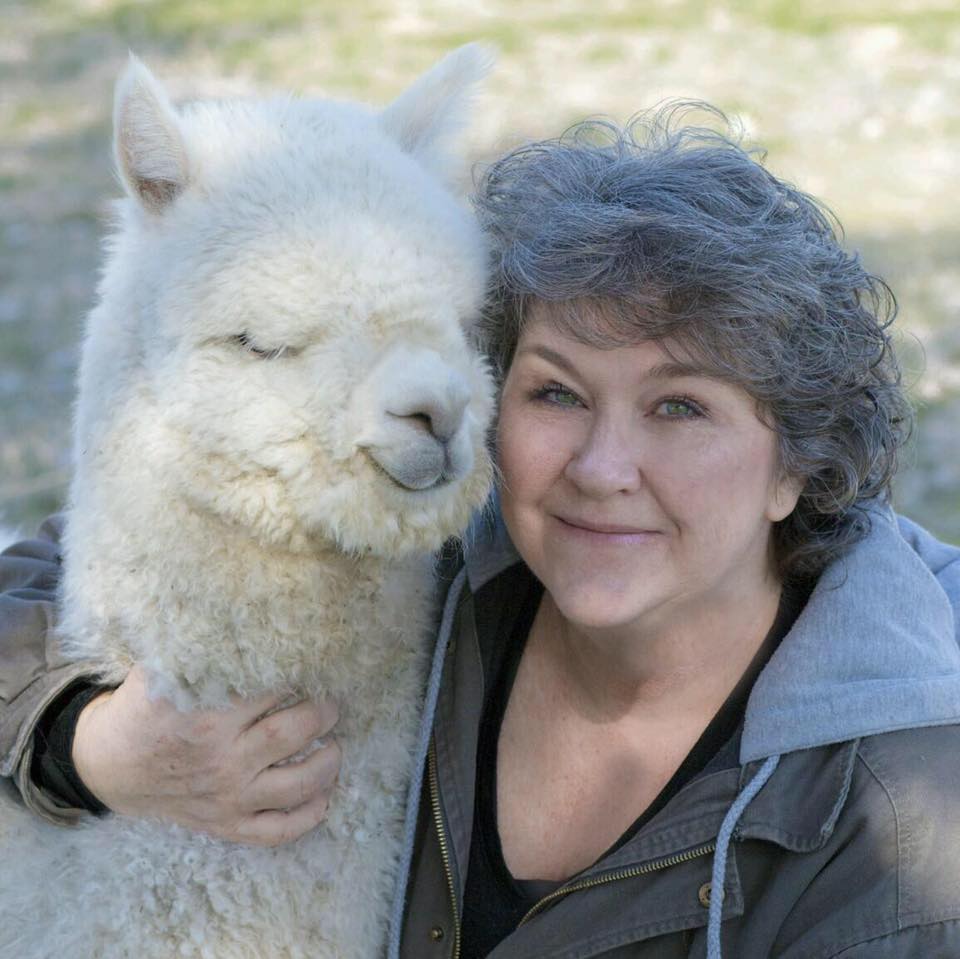
Alpaca is another excellent protein base, especially for projects where drape and softness matter. It can absorb natural dye beautifully, though the results may appear more subdued than on a bright white wool. Alpaca’s smooth fiber surface and characteristic luster give color a quiet glow rather than a fuzzy halo.
Treat alpaca with the same respect you would give wool. Avoid harsh temperature shifts and excessive agitation. Because alpaca has less natural elasticity than many wool yarns, it is especially well suited to shawls, scarves, woven fabric, and accessories where fluid drape is welcome.
Mohair blends: Light-catching color
Mohair brings sheen to a dyed yarn, changing the way color reads as the fabric moves through light. In a blend, it can brighten a natural dye color and add a soft bloom to the finished surface. Its presence may be subtle in the skein but striking once knitted or woven.
Blends require a little more attention because each fiber can take color differently. A wool-mohair yarn may reveal gentle shifts between the fibers, which can create a lively, heathered effect. If a perfectly uniform color is your goal, a single-fiber base is usually easier to predict.
Cellulose Fibers: Cotton and Hemp
Plant fibers bring their own strengths to natural dye work. Cotton and hemp are durable, breathable, and useful for weaving, sewing, household textiles, and warm-weather garments. They also ask more of the dyer.
Cellulose fibers generally need a more thorough scour before dyeing because natural oils, waxes, and processing residues can interfere with even color uptake. They often use different mordanting methods than protein fibers, commonly involving tannins and aluminum-based mordants. Follow a tested process for the specific fiber and dye material you are using rather than assuming that a wool recipe will transfer directly.
Cotton produces a matte, familiar surface that works beautifully for fabric, dish towels, lightweight garments, and yarns with a clean stitch definition. It can yield lovely natural colors, though shades may be softer or less saturated than those achieved on wool with the same dye bath.
Hemp has a more textured, grounded character. It is strong and grows softer with use, making it a worthy base for weaving and hard-working textiles. Its natural beige or flaxen cast influences the final color, often lending plant dyes an earthy undertone. That is not a limitation. It is part of working honestly with the material in front of you.
Yarn Construction Changes the Result
Fiber content matters, but so does the way yarn is made. A tightly twisted, smooth yarn will reflect light differently than a lofty woolen-spun yarn. The first may show crisp stitch definition and a cleaner color surface; the second may hold more air and produce a softer, more diffuse appearance.
For colorwork knitting, consider a base with enough structure that individual shades remain distinct. For a woven scarf or a relaxed sweater, a lofty yarn can amplify the depth of naturally dyed color. Plied yarns tend to be more stable during wet finishing, while singles can create beautiful texture but may need gentler handling.
If you are dyeing fabric by the yard, test a swatch before committing to a larger cut. Weave density, fabric weight, and fiber blend can all influence how a color settles. The same dyestuff that reads bright on an open cotton cloth may look deeper on a dense hemp canvas.
Preparing Your Base Before the Dye Pot
Even premium undyed yarn benefits from preparation. Start by weighing the dry material. Every dye recipe, mordant calculation, and future attempt becomes easier to repeat when you know the weight of fiber being dyed.
Next, scour the base according to its fiber type. For wool and alpaca, use warm water and a gentle fiber wash, allowing the yarn to soak without rubbing or shocking it. Plant fibers can tolerate a more vigorous scour, but they still deserve careful rinsing. The goal is to remove what does not belong on the fiber, not to strip away its integrity.
Mordanting comes after scouring for many projects. A mordant helps create a bond between dye and fiber, improving color uptake and often washfastness. Alum is commonly used with protein fibers, while cellulose fibers may require a tannin step as part of the process. Use accurate measurements, keep dedicated tools for dye work, and choose methods appropriate for the material. Natural does not automatically mean harmless, and a responsible studio treats every dye ingredient with care.
Some dyers prefer to mordant yarn before dyeing for consistent results. Others use modifier baths after dyeing to shift color toward warmer, cooler, darker, or more muted tones. Both approaches have a place. Begin with a reliable process, document what you do, and experiment in small batches once you understand the behavior of your chosen base.
Choose Color With the Natural Shade in Mind
Undyed does not always mean optical white. Natural wool may be ivory, cream, silver gray, fawn, or brown. Alpaca may carry shades from pale beige to deep cocoa. Cotton and hemp often begin with warm, plant-toned color. These are not blank canvases. They are active participants in the finished shade.
A white base makes it easier to achieve clearer yellows, reds, and pinks. A gray base can turn those same colors smoky and sophisticated. Brown fibers create especially compelling results with walnut, madder, and tannin-rich dyes, where the base and color seem to belong together from the start.
Before dyeing a full skein or project quantity, make samples. Dye small, labeled lengths of each base with the same recipe. Keep one sample unwashed, wash another, and set a third near a window for a short light test. These quiet records become some of the most valuable tools in a maker’s practice.
Let the Fiber Lead
A thoughtfully chosen dye base does more than carry color. It determines the resilience of a sock, the drape of a shawl, the clarity of a woven pattern, and the feeling of the finished piece against the skin. At Imperial Yarn, we believe that the origin and character of fiber deserve as much attention as the color placed upon it.
Start with a fiber you would be proud to use even in its natural state. Then let the dye process reveal what was already there: the warmth of American-grown wool, the softness of alpaca, the strength of hemp, and the enduring beauty of work made with patience.