Why Traceable Alpaca Yarn Matters
A skein can feel buttery soft in your hands and still leave big questions unanswered. Where was the fiber grown? How were the animals cared for? Who processed it, and under what standards? Traceable alpaca yarn answers those questions before you cast on, which is exactly why more makers are treating provenance as part of quality, not a separate issue.
For knitters, crocheters, and weavers who care about fiber integrity, traceability is not marketing garnish. It is a practical way to understand what you are buying. When the path from ranch to mill to finished yarn is known, you gain more than a good story. You gain confidence in the feel, performance, and ethics of the material itself.
What traceable alpaca yarn really means
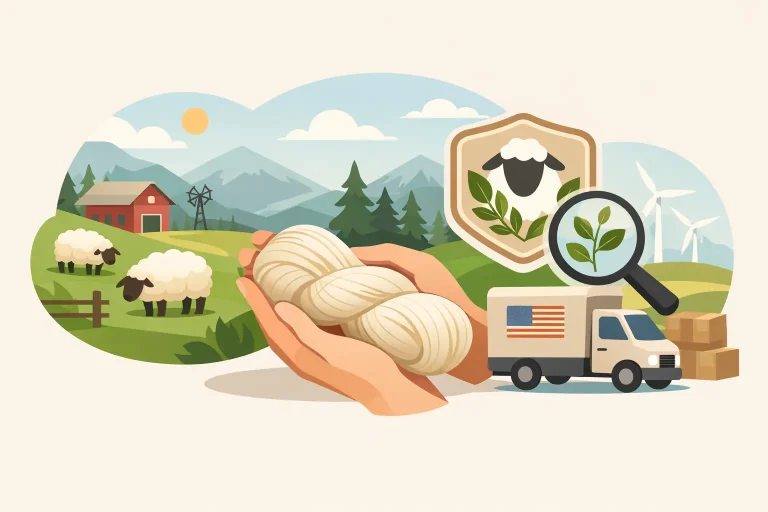
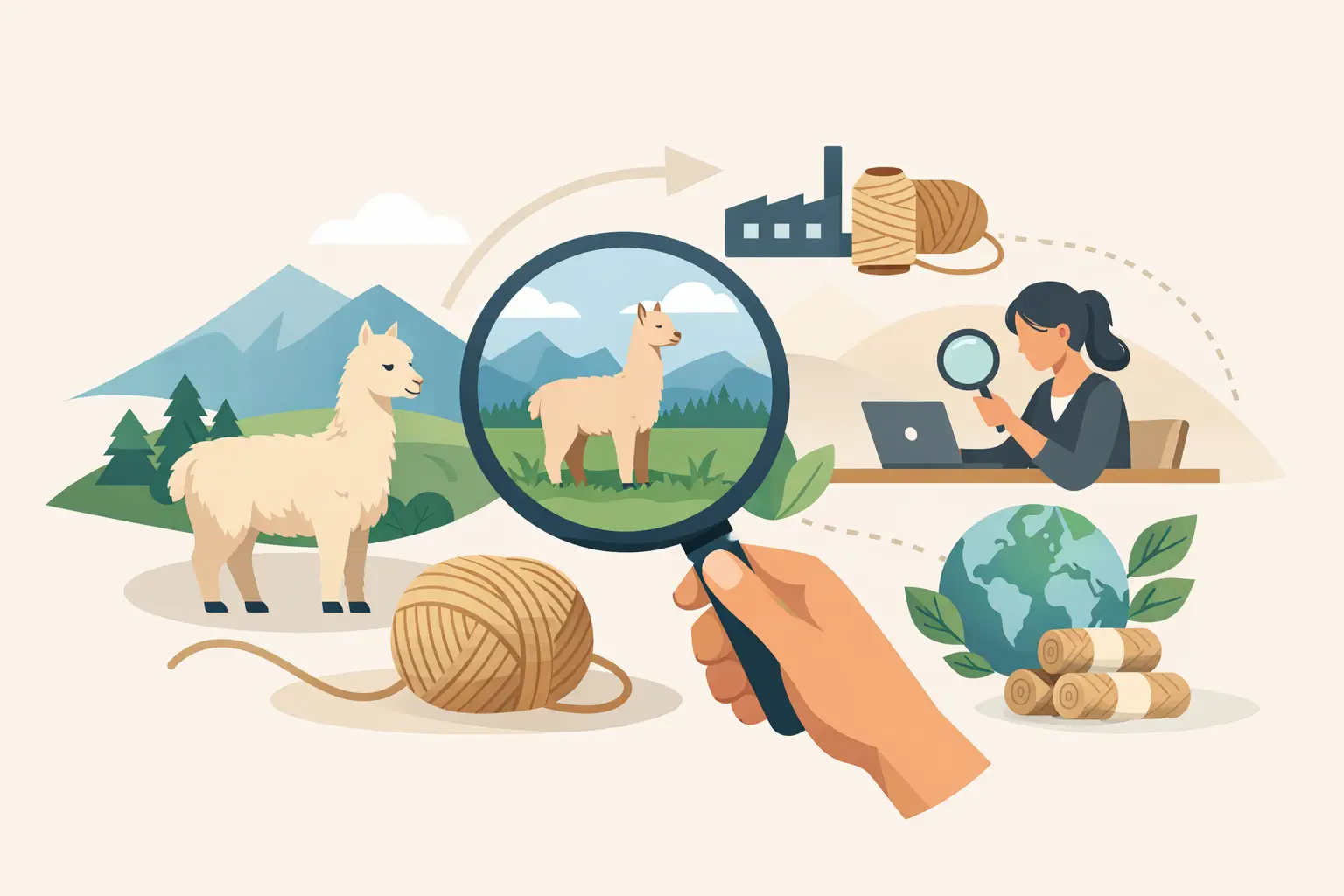
At its best, traceable alpaca yarn connects the finished skein back to the source of the fiber and the stages of production that shaped it. That usually includes where the alpaca was raised, how the fleece was collected and graded, where it was cleaned and spun, and in some cases how it was dyed or blended.
This matters because alpaca is not a generic commodity. Fiber quality can vary widely depending on breed, climate, nutrition, handling, micron count, staple length, and processing decisions. Two yarns may both carry the label “alpaca,” yet behave very differently in the hand and on the needle.
Traceability gives context to those differences. It helps explain why one yarn has more bloom, why another offers better stitch definition, or why a particular blend is stronger for everyday wear. For a maker planning a garment, blanket, or accessory, that context is useful from the first swatch.
Why provenance changes the buying decision
Softness often gets top billing with alpaca, and for good reason. It is one of the fiber’s most appealing traits. But softness alone does not tell you whether a yarn was produced responsibly or whether it will suit the project you have in mind.
When fiber origin is clear, you can make more informed choices about animal welfare, environmental impact, and manufacturing standards. You are not left guessing whether the yarn passed through a supply chain with poor oversight or vague sourcing claims. That level of clarity is especially valuable for makers who want natural fibers to reflect natural values.
There is also a quality argument here. Transparent sourcing often goes hand in hand with stronger standards around sorting, grading, and processing. Producers who can identify the ranch, region, or mill behind a yarn are usually paying closer attention to consistency. That does not guarantee perfection, but it does tend to produce fewer surprises.
The fiber story behind alpaca
Alpaca fiber is prized for its warmth, lightness, and low-lanolin character. Many people find it comfortable against the skin, especially when compared with coarser wools. It can create fabric with beautiful drape, a soft halo, and excellent insulation without a heavy feel.
Still, alpaca has trade-offs. Pure alpaca yarn can be less elastic than wool, which affects recovery in fitted garments. It may stretch more under its own weight, especially in long sweaters or open stitch patterns. Some makers love that drape. Others prefer alpaca blended with wool or another supportive fiber to improve memory and structure.
That is one reason traceability matters so much. Knowing not just that a yarn contains alpaca, but what kind of alpaca and what it is blended with, helps you choose wisely. A traceable yarn tells a more complete truth about performance.
Traceability and animal care belong together
Ethical sourcing is easy to claim and harder to prove. In fiber production, proof starts with relationships and records. When a yarn can be traced back to the animals and farms that produced it, there is more room for accountability.
Good alpaca husbandry includes thoughtful shearing, proper nutrition, appropriate shelter, and day-to-day handling that respects the health of the herd. These things influence the animal’s well-being and the quality of the fleece. Stress, poor nutrition, and weak management all show up in fiber sooner or later.
A traceable system does not mean every ranch operates exactly the same way. Regional conditions, herd size, and management practices can differ. What matters is whether the source is known and whether the producer can speak plainly about standards of care. For conscientious makers, that transparency is part of the product.
How American manufacturing strengthens traceability
The shorter and clearer the supply chain, the easier it is to maintain fiber identity. Domestic production can make that process far more visible. When fiber is grown, processed, and finished closer to home, there are fewer handoffs and more direct oversight.
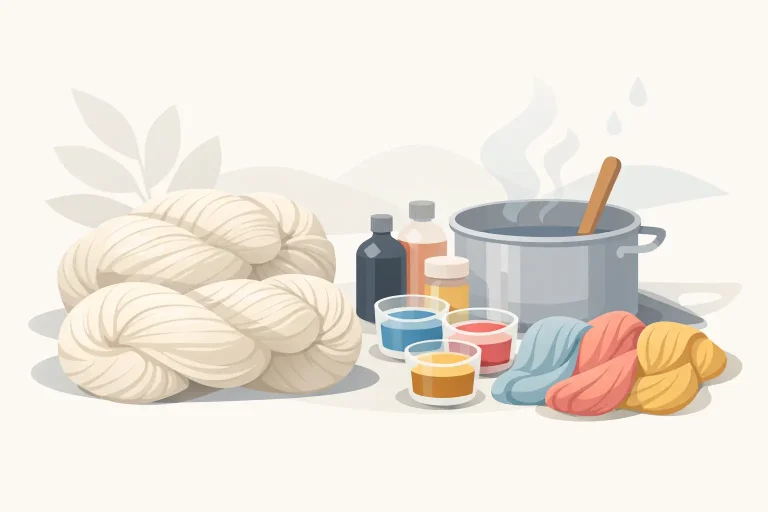
That matters for alpaca yarn because processing decisions have a real effect on the final skein. Scouring methods, spinning style, twist level, and blending all shape how the yarn knits up and wears over time. If those steps are hidden, it becomes harder to understand what you are buying. If they are known, trust comes more naturally.
For many American makers, domestic sourcing also carries a deeper value. It supports ranchers, mills, and skilled manufacturing communities that have spent generations building fiber knowledge. In a market crowded with vague labels and imported blends of uncertain origin, that kind of clarity stands out.
What to look for when buying traceable alpaca yarn
Not every label will offer the same level of detail, so it helps to read with a practiced eye. The strongest traceability claims usually identify the fiber source with more precision than a country of origin. They may reference a ranch network, a specific region, or a documented production chain.
It is also worth paying attention to the blend. A yarn with alpaca and fine wool may provide more resilience for hats, socks, or sweaters. A mostly alpaca yarn may be ideal for scarves, cowls, and wraps where softness and drape matter most. Traceability is not only about ethics. It helps match the yarn to the right use.
Processing language matters too. If a producer talks clearly about how the fiber is handled, cleaned, and spun, that usually signals stronger material knowledge. Imperial Yarn has built its reputation on this kind of transparency, pairing natural fiber performance with sourcing standards that respect both land and livestock.
Traceable alpaca yarn in real projects
Once the yarn is in your hands, traceability still has value. It can guide your expectations during swatching and finishing. A traceable yarn with documented alpaca content and a known spinning method gives you better clues about bloom, drape, and stitch clarity.
For garments, that may influence whether you size down, add shoulder support, or choose seams over fully seamless construction. For accessories, it may shape your choice of stitch pattern. Cables can soften in a lofty alpaca blend, while stockinette may highlight its fluid hand beautifully.
Weavers and crocheters benefit too. In woven cloth, alpaca can lend softness and warmth with a refined surface. In crochet, where structure depends heavily on the yarn’s resilience, the exact blend can make the difference between a bagging fabric and one that holds its shape.
That is the practical side of provenance. Knowing more lets you make better things.
Why this matters beyond one skein
Fiber choices add up. Every purchase helps reward a supply chain, whether it is transparent and responsible or opaque and disposable. Choosing traceable alpaca yarn supports a textile economy that values stewardship, craft, and honest production.
It also restores a connection that many makers have been missing. Yarn is not only color, gauge, and yardage. It begins with animals, land, and skilled human work. When those origins remain visible, the finished object carries more substance. A shawl, blanket, or sweater becomes more than a project. It becomes a record of careful decisions from the ground up.
That does not mean traceable yarn is the only yarn worth using, or that every project requires the same standard of documentation. Budget, availability, and intended use all matter. But when softness, ethics, and long-term value are all on the table, traceability is a strong place to begin.
The next time a skein of alpaca catches your eye, look past the halo and the hand feel for a moment. Ask where it came from, who made it possible, and what kind of fiber system it represents. The best yarns do more than feel good. They give you a clear reason to trust what you are making with.