Alpaca Versus Cashmere Yarn for Thoughtful Makers
A skein can feel wonderfully soft in the hand and still be the wrong choice for the garment you have in mind. That is the real question behind alpaca versus cashmere yarn: not which fiber is more luxurious, but which one will serve the pattern, the wearer, and the life of the finished piece.
Both fibers bring remarkable warmth and softness to handmade work. Both are animal fibers with a long history of skilled production. Yet they behave differently on the needles, wear differently over time, and ask different questions about sourcing. Knowing those differences helps a maker choose with intention rather than relying on a label alone.
Alpaca Versus Cashmere Yarn: The Essential Difference
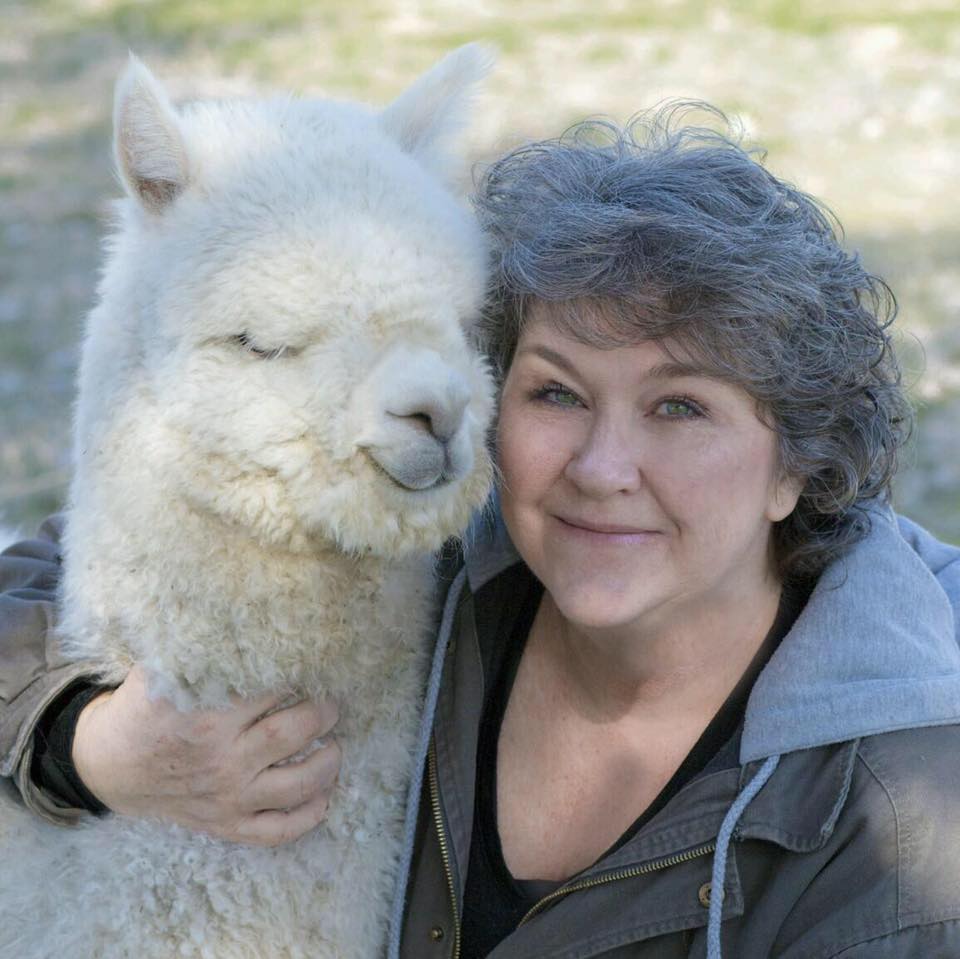
Alpaca fiber comes from alpacas, camelids raised for their annual fleece. Its individual fibers are generally smooth, fine, and low in natural crimp compared with wool. That combination gives alpaca its drape, sheen, and distinctive fluid hand. It is a natural fit for projects where softness and graceful movement matter: scarves, cowls, wraps, relaxed sweaters, and woven textiles.
Cashmere comes from the exceptionally fine downy undercoat of cashmere goats. It is prized for its cloud-like hand, light weight, and insulating ability. Fine cashmere can feel almost weightless while providing meaningful warmth, which makes it especially appealing in close-to-skin accessories and refined layers.
The difference is not simply alpaca versus cashmere as a contest of softness. Fiber grade, preparation, spinning method, and blend composition all matter. A carefully spun, fine alpaca yarn may feel softer than a coarse cashmere blend. Likewise, a yarn labeled cashmere may contain a modest percentage of cashmere alongside wool, silk, or nylon. Read the fiber content, look for clear provenance, and judge the yarn in the context of its intended use.
Warmth Without the Bulk
Both alpaca and cashmere are warm for their weight, but they create warmth in different ways. Alpaca fibers have a structure that can trap air effectively, offering generous insulation. A lofty alpaca yarn can make a very warm hat or mittens without requiring a dense, heavy fabric.
Cashmere is also an excellent insulator. Its fine down fibers were developed to protect goats in harsh conditions, and a quality cashmere yarn can produce a remarkably warm fabric at a delicate gauge. For lightweight layers or an accessory meant to tuck easily beneath a coat, cashmere has a particular appeal.
There is a practical trade-off. Alpaca can feel warmer and more substantial in an open or relaxed fabric, while cashmere often excels when you want warmth with a finer, lighter finish. Neither choice replaces swatching. Knit or crochet a generous swatch, wash it as you plan to wash the finished object, and assess the fabric against your skin and in your hands.
Drape, Memory, and Project Structure
This is where many project decisions are made. Alpaca has less elasticity and memory than wool because it has less crimp. It drapes beautifully, but it may not spring back after stretching. A long alpaca cardigan, a loosely worked ribbed cuff, or a heavily textured garment can grow with wear if the construction does not account for that tendency.
That does not make alpaca unsuitable for sweaters. It simply rewards thoughtful pattern matching. Choose a stable stitch pattern, use well-supported seams, and consider a wool or plant-fiber blend when you want more recovery. Alpaca works especially well in garments with ease, shawls that benefit from drape, and accessories where stretch recovery is less critical.
Cashmere also has limited resilience compared with a springy wool yarn. Its fine fibers create supple, beautiful fabric, but high-friction areas can pill and lose definition over time. A cashmere sweater can be a treasured garment, but it is best treated as one: worn thoughtfully, rested between wears, and maintained with a gentle hand.
For ribbing, fitted hats, socks, or children’s garments that receive hard use, a yarn with a meaningful wool content often gives better long-term structure. A small amount of cashmere or alpaca in a wool blend can add softness and warmth while allowing the wool’s elasticity to do its work.
Softness Is More Than a Fiber Name
Sensitivity to wool varies widely. Some makers find alpaca exceptionally comfortable next to the skin because its surface feels smooth. Others prefer cashmere’s finer, loftier touch. There is no universal answer, particularly for neckwear.
Fiber diameter matters greatly. Finer fibers tend to feel softer, while coarser fibers are more likely to feel prickly. The way a yarn is spun matters, too. A lofty woolen-spun yarn may feel airy and bloom after washing. A smoother worsted-spun yarn often produces clearer stitch definition and a more polished surface.
If you are making a gift for someone with a sensitive neck, choose based on a small sample rather than assumption. Hold the yarn against the skin near the jawline, then wash and dry the swatch. A yarn’s character often becomes clearer after its first wash, when fibers relax and the fabric finds its final hand.
Durability and Everyday Wear
Alpaca has good tensile strength, yet strength is not the same as abrasion resistance. The smooth fibers can slide against one another, and a soft alpaca fabric may pill at underarms, cuffs, and bag straps. A tighter gauge and a firm yarn construction can help, as can selecting alpaca for lower-friction items such as scarves, hats, throws, and special-occasion layers.
Cashmere’s fine fibers are even more vulnerable to abrasion when spun into very soft, lightly twisted yarns. Pilling is common, especially during the first period of wear. It is not always a sign of poor quality, but excessive shedding or rapid thinning deserves attention. A cashmere yarn with a balanced twist and a well-made fabric will generally wear better than an overly loose, fuzzy construction.
For a garment meant to become an everyday uniform, prioritize construction over romance. A durable wool-alpaca blend may be more useful than 100% alpaca. A wool-cashmere blend may provide the softness you want with greater shape retention. Natural fibers are at their best when their inherent qualities are respected rather than asked to imitate synthetics.
Care Determines the Life of the Piece
Both alpaca and cashmere benefit from gentle care. Hand wash in cool water with a suitable wool wash, avoid agitation, and support the garment fully when lifting it from the basin. Roll out excess water in a towel, then dry flat away from direct heat and strong sunlight.
Do not hang a wet alpaca or cashmere garment. The weight of absorbed water can distort the shape, especially in a fabric with little memory. Between wears, fold pieces rather than hanging them. Store them clean and dry, ideally with protection from moths and other fiber pests.
Pilling can be managed with a sweater comb or a careful fabric shaver. Work slowly and lightly. The goal is to remove loose surface pills, not to thin the fabric. Regular, gentle maintenance is part of owning natural fiber clothing, much like conditioning leather boots or sharpening good tools.
Sourcing Makes the Comparison More Meaningful
A fiber’s beauty is inseparable from how it is raised, harvested, processed, and spun. Cashmere production can be difficult to trace, particularly when fiber passes through complex global supply chains before it reaches a mill. Goat grazing also requires careful land management, as unmanaged herd pressure can damage fragile rangelands.
Alpaca can offer a more direct relationship between animal, farm, and finished yarn, particularly when makers choose domestically grown fiber and transparent production. American alpaca ranches can provide traceability, responsible animal care, and a clearer view of the people and landscapes behind the skein. Still, origin alone is not a guarantee. Ask whether a company can speak plainly about its fiber sources, processing standards, and environmental practices.
At Imperial Yarn, that commitment begins with American-grown fiber, responsible stewardship, and manufacturing that honors the integrity of the fleece. For makers who care about provenance, choosing traceable natural fiber is a way to bring those values into every stitch.
Which Yarn Belongs in Your Next Project?
Choose alpaca when you want generous warmth, soft drape, a gentle luster, and a yarn that can bring a relaxed, tactile quality to scarves, wraps, hats, and flowing garments. Consider an alpaca blend when you love that hand but need more elasticity for fitted pieces.
Choose cashmere when you want an exceptionally soft, lightweight fabric for a special accessory or refined layer, and when you are prepared to give the finished object attentive care. A blended cashmere yarn is often a wise choice for projects that need more structure or see more frequent wear.
The most satisfying choice may be neither fiber in isolation. A well-designed blend can combine alpaca’s warmth, cashmere’s softness, wool’s recovery, or silk’s strength in a fabric that is more useful than any single fiber alone. Let the project lead, let the swatch tell the truth, and choose a yarn whose origin and performance you will be proud to work into every row.