Best Fibers for Handwoven Blankets at Home
A handwoven blanket asks more of its yarn than almost any other project. It needs to stand up to tension on the loom, repeated handling, body weight, and years of use, while still feeling good against the skin. The best fibers for handwoven blankets balance warmth, strength, drape, and care requirements with the character you want the finished cloth to have.
A lofty wool throw, a smooth cotton summer blanket, and a cloud-soft alpaca layer can all be beautiful choices. They are not interchangeable, though. Selecting fiber first gives you a clearer path to choosing yarn weight, sett, weave structure, and finishing methods that will serve the blanket rather than fight it.
Best fibers for handwoven blankets begin with use
Before choosing a fiber, picture where the blanket will live. A couch throw that sees daily use has different needs than a decorative coverlet at the foot of a bed. A blanket for a cold mountain home should hold warmth differently than one intended for a breezy porch or summer sleeping.
Think about four practical questions: Will the blanket touch bare skin? Does it need to be washable? Will it receive hard daily wear? And do you want a dense, structured textile or a soft, fluid drape? Those answers narrow the field quickly.
Fiber is only one part of the equation. Yarn construction matters, too. A firmly spun yarn generally handles abrasion and loom tension better than a softly spun singles yarn. A balanced weave structure creates a dependable all-purpose blanket cloth, while twill can add drape and visual movement. Still, the inherent qualities of wool, alpaca, cotton, and plant-fiber blends set the foundation.
Wool: the dependable blanket fiber
Wool has earned its place in heirloom blankets for good reason. Its natural crimp creates pockets of air that hold warmth without requiring excessive weight. It has spring, resilience, and a welcome ability to recover after being folded, draped, and used. For a blanket meant to become part of everyday life, these qualities are difficult to beat.
Not all wool behaves alike. Fine merino can make an exceptionally soft blanket, especially for a next-to-skin lap throw or baby blanket, but a very fine, softly spun merino yarn may not be the best choice for a hard-working sofa blanket. Medium-wool breeds often offer more substance, texture, and resistance to wear. Their character shows clearly in woven cloth, particularly after washing and finishing.
For warp, choose a wool yarn with enough twist and strength to hold steady under tension. For weft, you have more room to prioritize loft and softness. Using the same yarn in both directions creates a unified cloth, but mixing a durable wool warp with a more lofty wool weft can produce a practical, inviting blanket.
Wool also responds beautifully to wet finishing. After weaving, washing and agitation can help the fibers bloom, settle into one another, and soften the surface. The amount of change depends on the wool type, yarn construction, and weave density, so sampling is essential. A small sample can reveal whether the cloth will stay open and drapey or full into a denser, warmer textile.
When provenance matters, American-grown wool offers an especially meaningful option. Knowing how animals are raised, how land is stewarded, and where fiber is processed brings greater integrity to a blanket that may remain in a family for decades. Imperial Yarn works from that belief: a useful, beautiful textile should carry a clear connection to the land and skilled hands behind it.
Alpaca: exceptional softness and warm drape
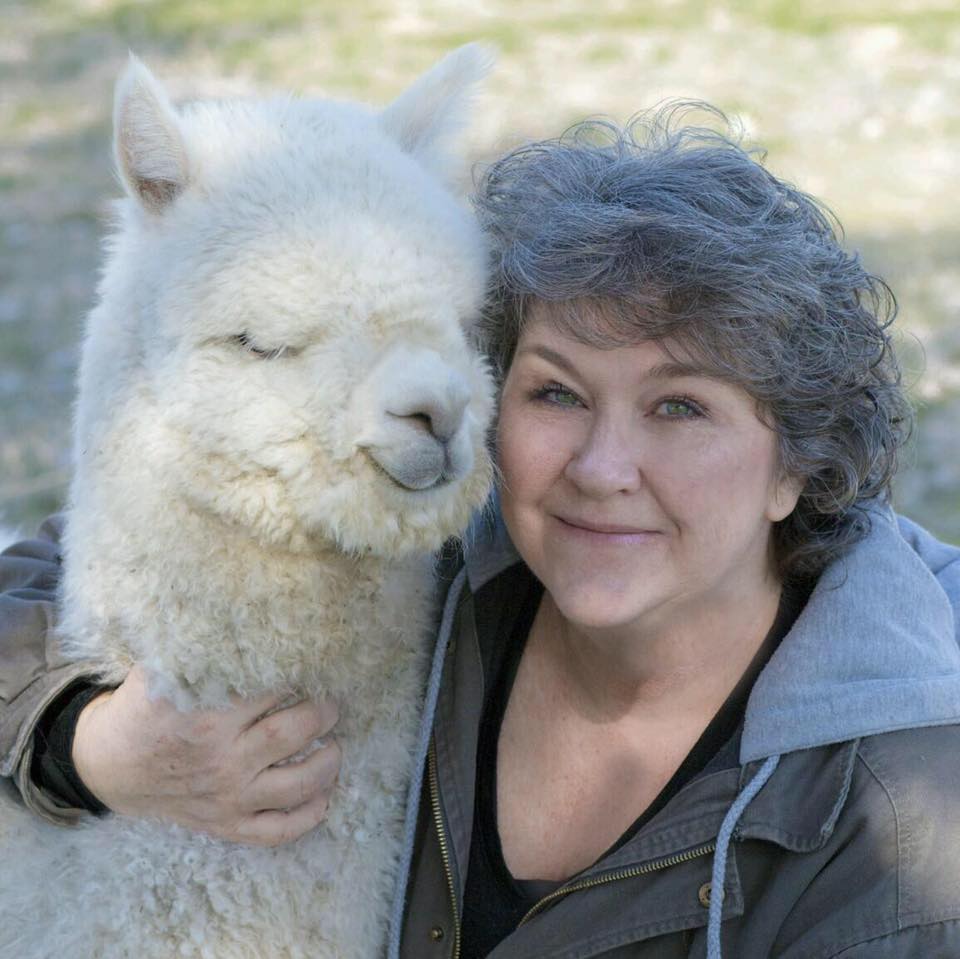
Alpaca is prized for its silky hand, rich warmth, and graceful drape. It has less crimp than wool, so it does not spring back in quite the same way. That makes it especially appealing for a throw with a fluid, elegant feel rather than a highly structured, bouncy cloth.
Because alpaca is so warm, a blanket woven entirely from it does not need to be heavy to feel substantial. It can be a fine choice for a lap blanket, a special-occasion throw, or a refined bedroom layer. Baby alpaca is particularly soft, though the term describes fineness rather than the age of the animal.
The trade-off is durability and recovery. Pure alpaca can stretch under its own weight and may show wear more readily in high-friction settings. A wool and alpaca blend often gives a handweaver the best balance: alpaca contributes softness and drape, while wool adds elasticity, memory, and structural support. These blends are especially well suited to blankets that will be used often but still need a luxurious hand.
Cotton: breathable, washable, and weighty
Cotton is a natural choice for warm-weather blankets, household textiles, and projects that need frequent washing. It is breathable, absorbent, and smooth against the skin. Unlike wool, it has little elasticity, which means careful, even warping is important. Once woven, however, cotton can make a wonderfully stable and durable fabric.
A cotton blanket tends to feel cooler and more substantial than a wool blanket of similar dimensions. It does not trap air in the same way, so it is less insulating, but that can be exactly what you want for summer bedding or a light living-room throw. Waffle weave, honeycomb, and other textured structures can add dimension and pockets of air without making the blanket overly warm.
Choose yarns with enough strength for the warp, especially if the project includes long warp floats or a wide weaving width. Cotton also shrinks noticeably with washing, so plan for sampling, take-up, and finishing shrinkage before calculating your final dimensions.
Hemp and cotton blends for an earthy hand
Hemp brings strength, breathability, and a distinctive dry hand to blanket cloth. It becomes softer with washing and wear, making it well suited to a relaxed coverlet or a warm-weather throw. On its own, hemp can feel crisp or coarse at first, depending on the yarn and processing method. Blending it with cotton softens that first impression while preserving its durability and natural texture.
A hemp-cotton blanket will not have wool’s loft or alpaca’s softness, but it offers something different: a grounded, linen-like presence that works beautifully in homes drawn to natural materials and quiet texture. It is an excellent choice when breathability, plant-based fiber, and long-term wear matter more than deep insulation.
Why blends often make the strongest choice
A blend is not a compromise when it is chosen with purpose. It is a way to combine fiber qualities that no single material can provide alone. Wool and alpaca bring together resilience and softness. Wool and mohair can add sheen, strength, and a subtle halo, though mohair is best used thoughtfully if you want a smooth, low-fuzz surface. Cotton and hemp create breathable durability for lighter blankets.
The most successful blend depends on the role each fiber plays in the cloth. If you want a blanket with body and warmth, let wool lead. If softness and drape are the priority, add alpaca. If washability and summer use come first, look toward cotton or cotton-rich plant-fiber blends.
Match yarn scale to the blanket you want to weave
Bulky yarn can make a quick, satisfying blanket, but it does not automatically make a better one. Very thick yarns create strong visual texture and cozy weight, yet they can limit drape and make finishing less predictable. A medium-weight yarn often gives more flexibility in weave structure and produces a cloth that feels substantial without becoming stiff.
Consider the balance between warp and weft as well. A finer, stronger warp can make dressing the loom easier, while a larger weft creates a generous surface and speeds the weaving process. For a more refined blanket, use yarns of similar size and allow the weave structure, color, and finishing to provide the interest.
Sample with your intended sett and wash the sample as you plan to wash the blanket. Measure before and after finishing. Rub the surface between your hands. Drape it over your shoulder. These small tests tell you far more than a yarn label can about whether the final cloth will have the warmth, density, and hand you are after.
Care and sourcing belong in the decision
A blanket becomes more useful when its care requirements suit the household. Wool and alpaca generally benefit from gentle washing and flat drying, though some yarns may be labeled for machine washing. Cotton and hemp usually tolerate more frequent laundering, but can shrink and wrinkle. The honest choice is the one your household will care for well.
Sourcing deserves the same attention. Natural fiber is not a single story. Animal welfare, pasture management, processing methods, dye practices, and manufacturing location all shape the material in your hands. Traceable, responsibly produced fibers allow makers to choose with confidence and give the finished blanket a deeper sense of place.
The right fiber should make you eager to weave the next few inches. Choose wool when you want resilient warmth, alpaca when softness and drape lead the design, and cotton or hemp when breathability and easy everyday use matter most. Then let your sample guide the rest. A well-chosen fiber does more than fill the warp and weft – it gives a handwoven blanket its lasting character.