Top Yarn for Tapestry Weaving and Why It Matters
A tapestry can be technically sound and still feel flat if the yarn is wrong for the design. The top yarn for tapestry weaving is not one universal fiber or weight. It is the yarn that gives your shapes clear edges, your color fields enough presence, and your finished cloth the hand you intended – whether that is supple, sculptural, rustic, or refined.
For most handwoven wall hangings, natural-fiber wool is the dependable place to begin. Yet the strongest work often comes from combining fibers with purpose: wool for body, alpaca for softness, cotton for crisp contrast, and occasional textured accents for dimension. Choosing well starts with understanding the separate jobs warp and weft must perform.
How to Choose the Top Yarn for Tapestry Weaving
Tapestry is weft-faced weaving, meaning the weft yarn should cover the warp almost completely. Your weft needs enough loft to pack into place, enough strength to withstand repeated handling, and enough grip to hold its shape once the piece comes off the loom. Unlike knitting yarn, where drape may be the primary pleasure, tapestry yarn must also build a stable surface.
Start by deciding what the finished piece needs to do. A small framed study can welcome delicate singles, handspun texture, and more adventurous materials. A large wall hanging needs yarn that will remain even across a broad field and resist sagging over time. A rug or cushion calls for greater abrasion resistance than a purely decorative textile.
Yarn weight matters, but it is only one part of the decision. A bulky, softly spun yarn may cover warp quickly but obscure fine detail. A tightly spun worsted-weight yarn creates a more defined line and makes it easier to weave clean diagonals, lettering, and small motifs. If you are working on a coarse warp, a thicker weft is usually appropriate. On a fine warp, a lighter yarn often gives better control.
Before committing to a full design, weave a small sample on the same warp and at the same sett. Beat the yarn as you normally would, then step back. Look for visible warp, uneven coverage, excessive bulk at color joins, or a surface that feels too loose. That short test can save hours of reweaving.
Wool: the foundation fiber for most tapestries
Wool has earned its place at the center of tapestry tradition. Its natural crimp helps it nestle into the weave, and its elasticity gives the finished fabric a lively, resilient character. Wool also accepts dye beautifully, making it especially rewarding for color-rich pictorial work, geometric compositions, and subtle value shifts.
For beginning and experienced weavers alike, a medium-weight wool with a moderate twist is often the most forgiving choice. It packs well without feeling stiff, has enough definition for clean shapes, and is easy to unweave when a correction is needed. Woolen-spun yarns tend to have a softer halo and a more painterly surface. Worsted-spun yarns are smoother and denser, making them useful when precision is the priority.
Not every wool behaves the same way. Fine merino can be exceptionally soft, but a very loosely spun merino may pill or lose definition in high-contact areas. More durable, medium-grade wools often offer the sturdy texture that large tapestries and functional weaving need. The best choice depends on whether you are seeking softness, crisp detail, or long-term wear.
American-grown wool brings another consideration worth valuing: provenance. When a yarn’s origin and processing are known, makers can choose material with greater confidence in its animal care, land stewardship, and manufacturing standards. At Imperial Yarn, that connection from ranch to finished yarn is part of what gives natural fiber its real creative value.
Alpaca: softness, sheen, and selective use
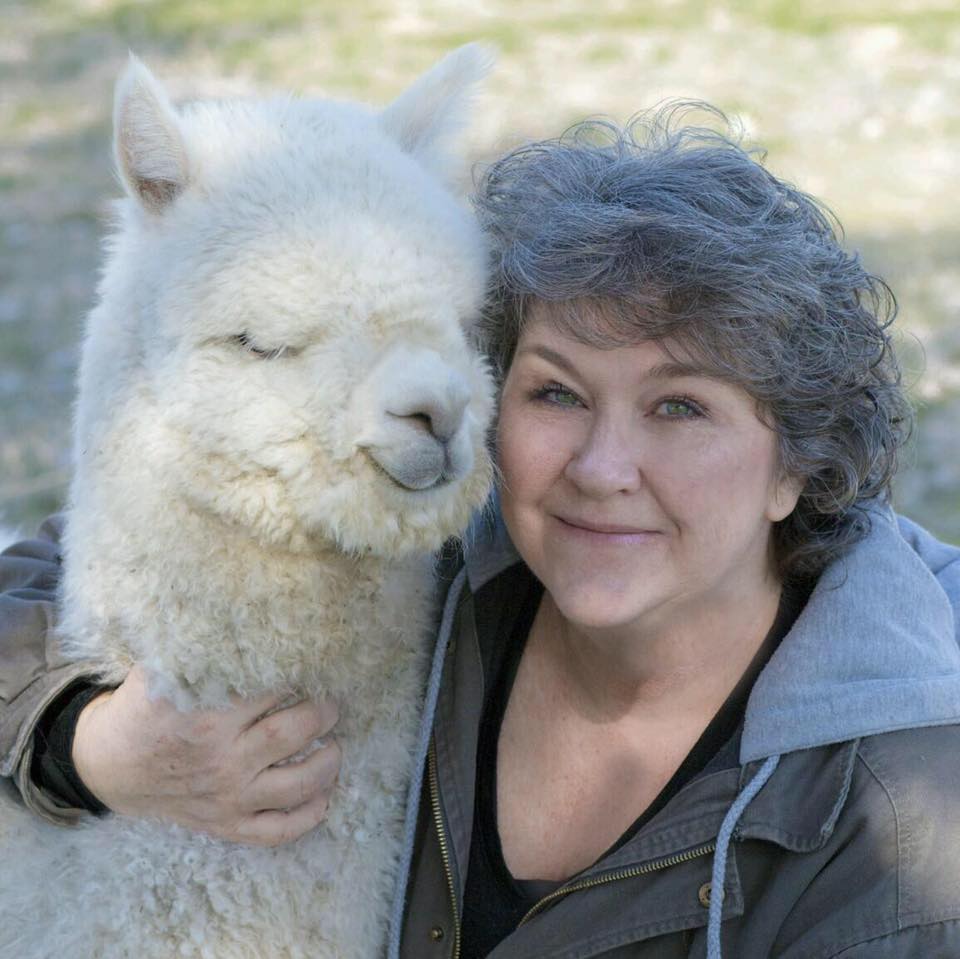
Alpaca can add a beautiful, luminous note to tapestry. Its smooth fibers reflect light differently than wool, so an alpaca section can appear to recede or glow beside a matte wool background. It is an excellent choice for soft clouds, pale landscapes, floral elements, or passages where you want a gentler hand.
The trade-off is that alpaca has less elasticity than wool. Used alone across a large area, especially in a heavy yarn, it can create a fabric with less spring and more potential to relax under its own weight. Blended with wool, alpaca often becomes easier to manage while retaining its signature softness and subtle sheen.
Use alpaca thoughtfully rather than assuming it must serve as an all-purpose tapestry yarn. For a detailed, upright wall piece, it is often most effective as an accent or blended fiber. For a smaller, softly textured weaving, its drape may be exactly right.
Cotton and hemp: crisp structure and graphic clarity
Cotton brings a clean, matte surface to tapestry weaving. It has very little bounce compared with wool, which can be an advantage for sharp graphic motifs, stripes, and geometric work. Cotton is also useful when you want a plant-fiber option for a light, dry hand or when a particular color calls for its distinct visual character.
Because cotton does not compress and recover like wool, take care not to beat it too hard. A firm beat can create a stiff board-like fabric, especially when cotton is used at a high sett. Let the yarn sit naturally in gentle arcs before beating, and check the width of your work regularly to avoid drawing in the edges.
Hemp offers similarly useful structure with a more textured, earthy appearance. It is strong and can lend a woven piece a grounded, architectural quality. Its firmness is especially appealing in contemporary work that celebrates line, texture, and visible material character. Like cotton, it is less forgiving than wool, so sampling is essential.
Mohair and textured yarns: use them as a design choice
Mohair, bouclé, slubs, and other novelty textures can make a tapestry memorable, but they should support the composition rather than substitute for one. Mohair creates a lustrous, haloed surface that can suggest movement, foliage, fur, or light. A nubby yarn can bring welcome relief to a broad expanse of smooth wool.
These yarns are usually best in limited areas. Their texture can hide joins and soften edges, which is useful in organic forms but frustrating in precise motifs. Highly textured yarns may also make it harder to see whether you are maintaining an even beat. Pair them with a stable, plain-spun base yarn so the overall textile retains structure.
Match Your Yarn to the Warp
A successful tapestry is a conversation between warp and weft. Cotton seine twine, rug warp, linen, and strong wool warps all create different conditions for the yarn you weave across them. The warp must be firm enough to maintain tension, while the weft must be substantial enough to cover it without forcing the fabric out of balance.
If your warp shows through after a normal beat, first consider whether the weft is too fine. You may be able to double-strand the yarn, but make a sample before continuing. Two strands can add coverage, though they can also create unwanted marling, bulk, or uneven tension. Choosing a single yarn in a better-suited weight often produces a cleaner surface.
For curving forms and detailed color changes, avoid yarns that split easily. A stable plied yarn is easier to manage with a tapestry needle or bobbin and less likely to snag when you interlock colors. For broad background areas, a softer yarn can move quickly and give the surface a more relaxed, handwoven character.
Color, Twist, and Finish Matter as Much as Fiber
A yarn’s color may look different after it is packed into a tapestry. Dense weaving reduces the amount of light passing between threads, often making colors appear deeper and more saturated than they do in a loose skein. Place potential colors side by side and, whenever possible, weave them into a small test section. This is especially helpful with natural shades, heathered yarns, and colors that sit close in value.
Heathered wool is particularly useful for tapestries because it can create depth without requiring dozens of separate shades. Its blended fibers produce quiet variation across a field of color, echoing stone, bark, sky, and weathered landscapes. Solid colors, by contrast, are ideal when you want deliberate contrast and bold graphic forms.
Twist affects the surface, too. A high-twist yarn gives a firmer, more defined line. A lower-twist yarn makes a softer, fuller field. Neither is automatically better. Consider whether your design calls for precision or atmosphere, then choose yarn that serves that intention.
Choose Fiber You Will Want to Live With
Tapestry weaving is slow by nature. The material stays in your hands for many hours, and the finished piece may hang in your home for years. That makes fiber integrity more than a technical detail. Natural materials with clear origins, responsible handling, and enduring quality lend the work a deeper sense of permanence.
Begin with a yarn that feels good to handle, sample it honestly on your intended warp, and let the design tell you where softness, structure, sheen, or texture belongs. The right yarn will not merely fill the space between the warp threads. It will become part of the story your tapestry holds.